A Changing Everglades:
When Marsh Becomes Mangrove
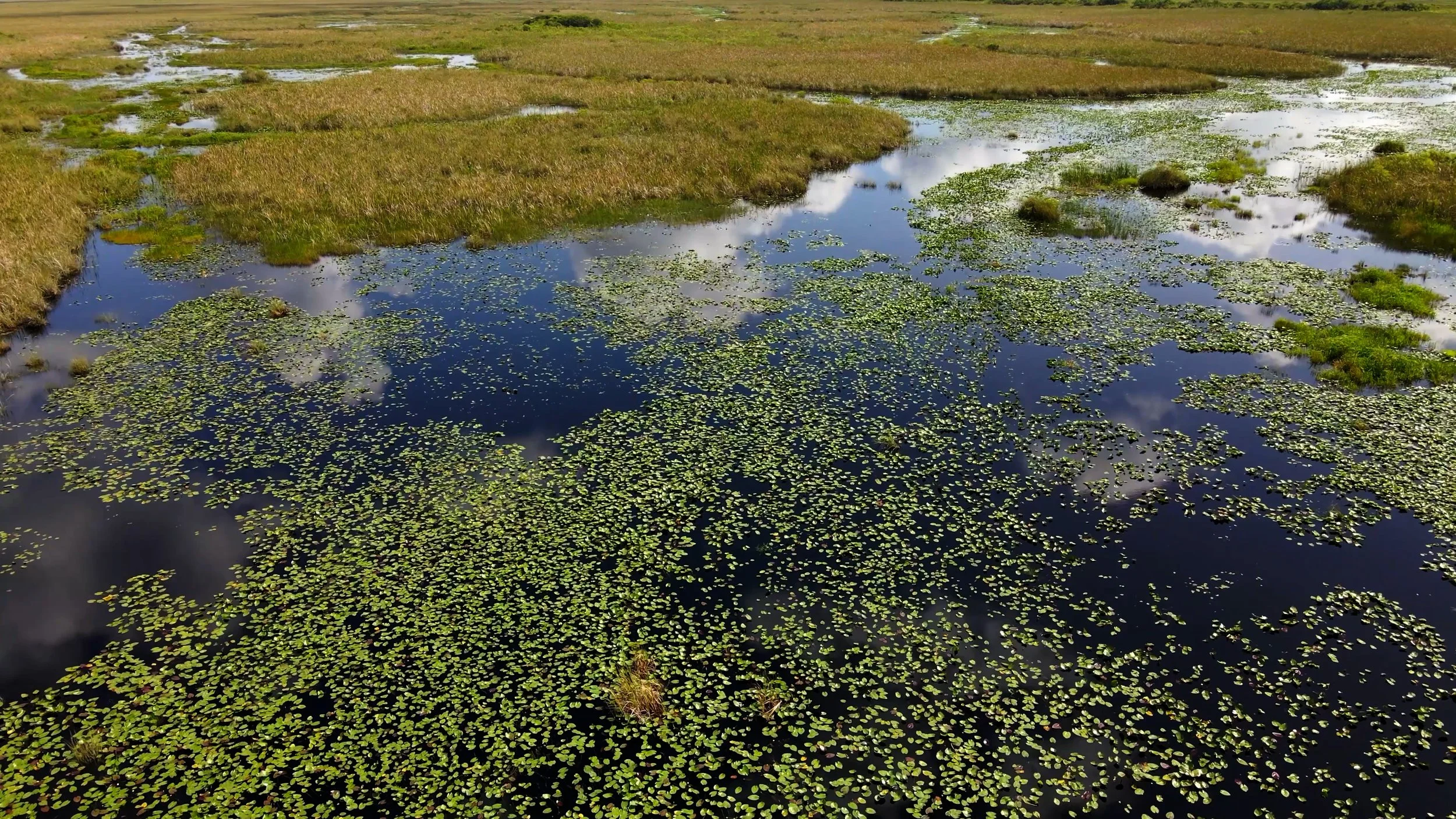
The Everglades are one of the most unique ecosystems on Earth—a vast network of wetlands, prairies, and forests stretching from Lake Okeechobee to Florida Bay. Once driven by the natural flow of freshwater south, this landscape now depends on a complex system of canals, levees, and water control structures built to support millions of people in South Florida.
As sea levels rise and the climate changes, scientists and Everglades managers are working together to make sure that ecosystems are resilient, meaning they have rich, biodiverse landscapes that can adapt.
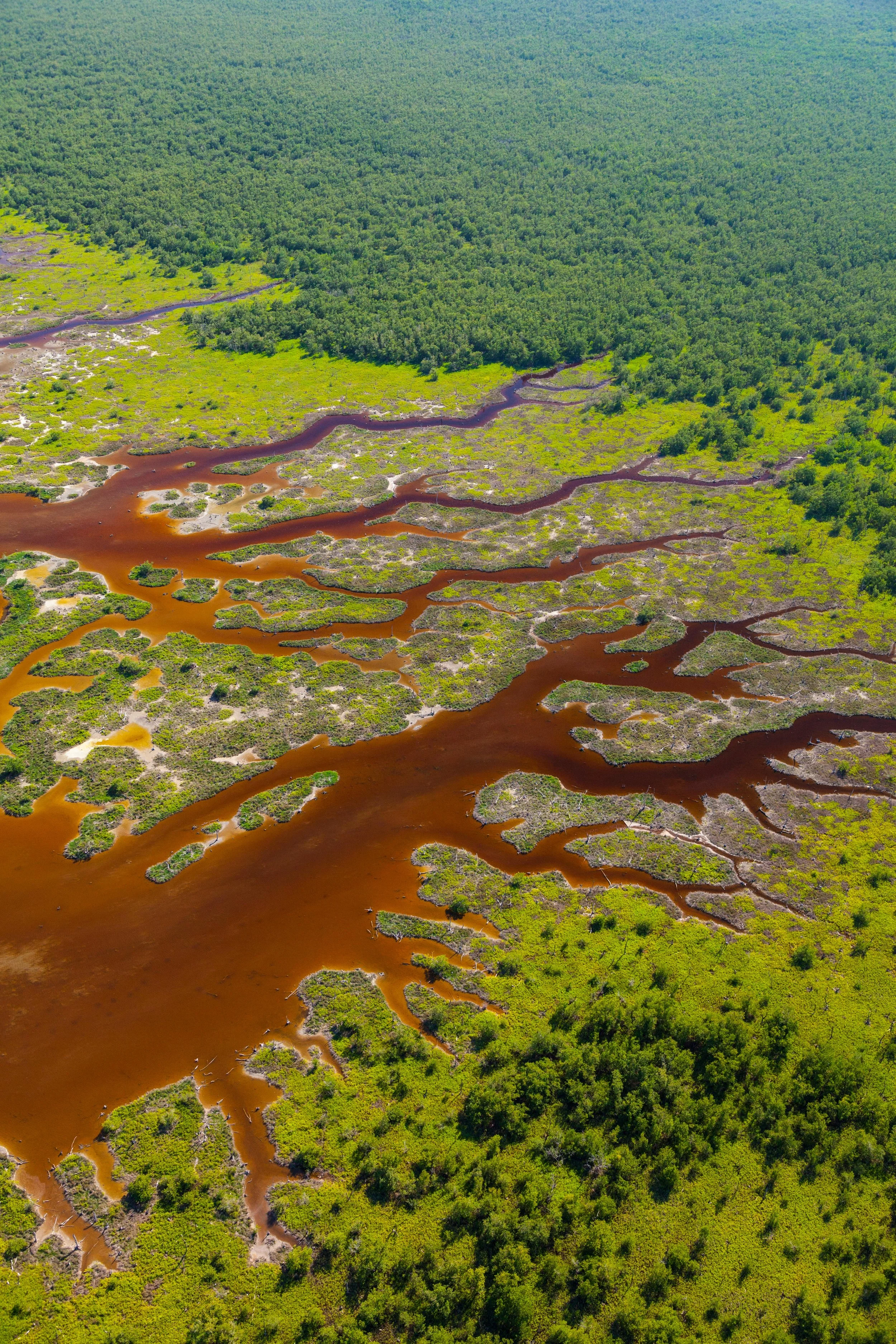
One of the most notable changes in the park is the transition of freshwater marshes to mangrove forests.
This transition is driven by rising sea levels — mangrove forests can grow in salty water, whereas freshwater marshes cannot. Although the landscape is changing, mangrove forests continue to capture and store carbon, helping the Everglades adapt to a changing climate.
Here, we’ll explore what these changes mean for Everglades ecosystems and the people and wildlife that call this unique landscape home.

Watch the film
Flow of the Everglades
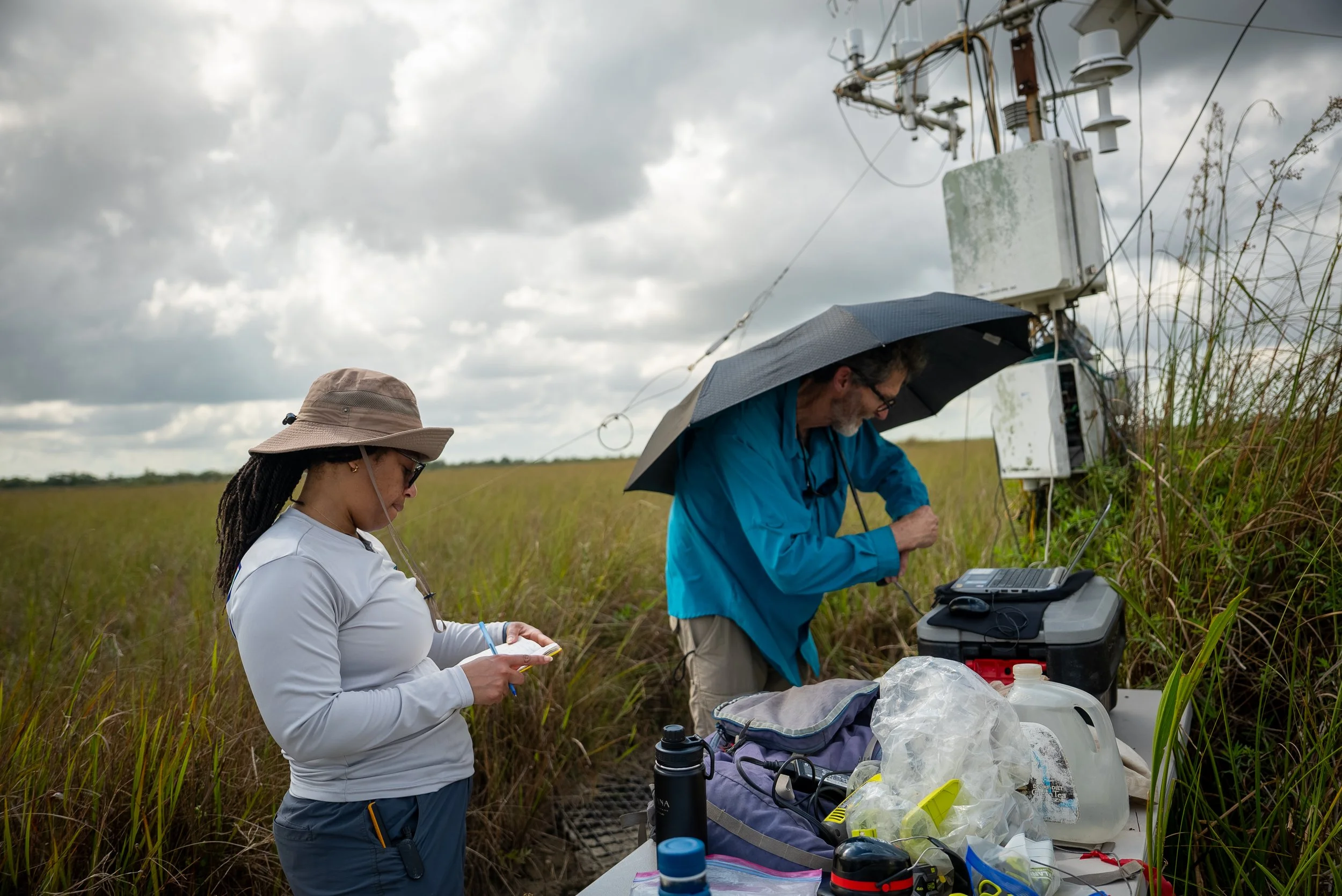
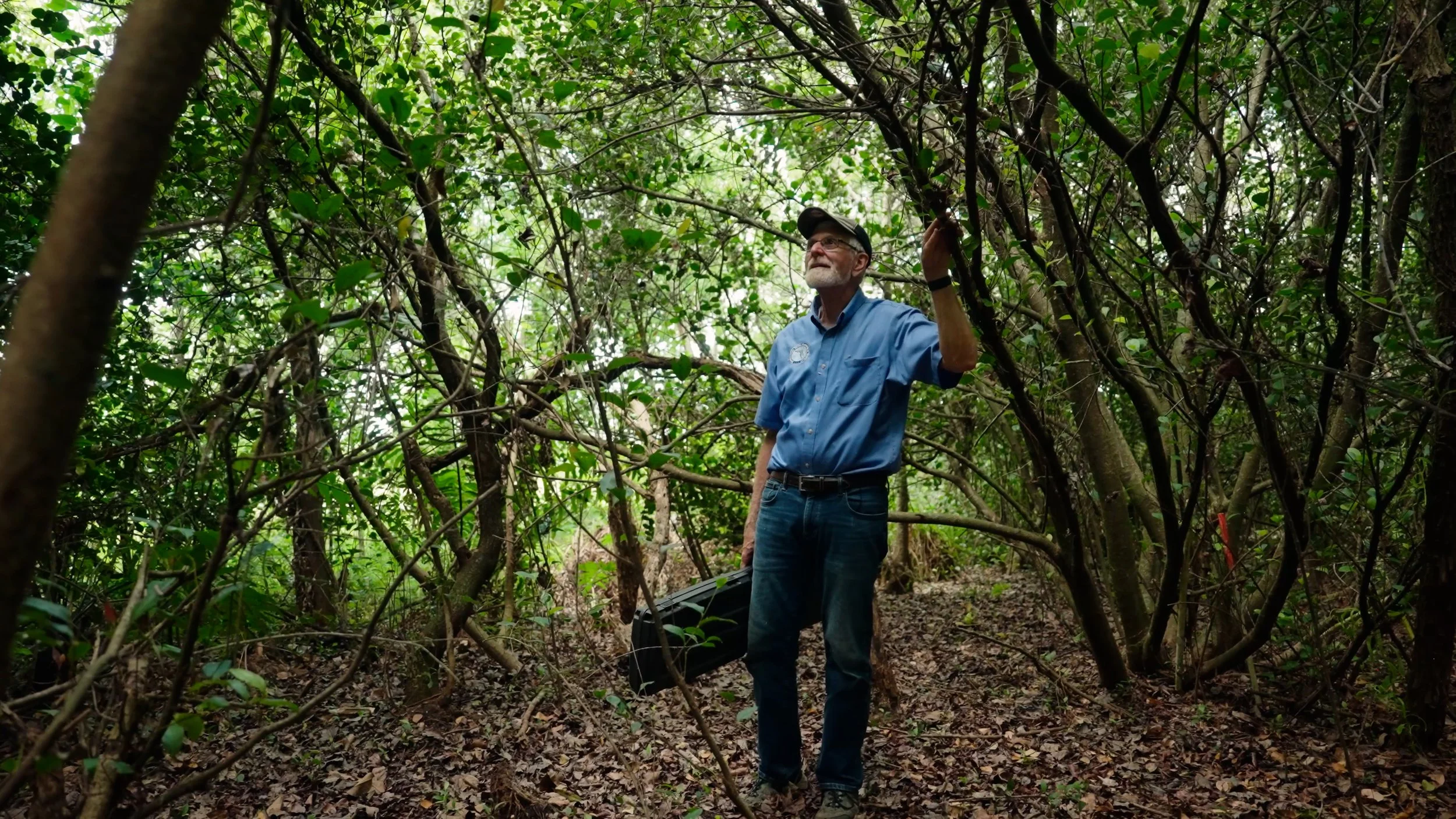
Flow of the Everglades follows two ecosystem scientists: Dr. Fred Sklar at the South Florida Water Management District and Dr. Sparkle Malone, an ecosystem ecologist at Yale University who studies how carbon and methane move through wetland systems. The film highlights how collaboration among researchers and park managers is helping guide the future of the Everglades.
In the film, Dr. Malone reminds us that resilience is about more than just holding the line. “Everything is changing,” she says. “We want ecosystems to have the ability to change, too.”

Let’s dive in!
Discover the Hidden Story of the Everglades
The Everglades is more than a beautiful landscape—it's one of the world's most important ecosystems. Discover how carbon connects plants, animals, water, and people, and how scientists are working to protect this unique place for future generations.